

 Barbara Queiróz
 Updated: March 31, 2026
Sitting on a mountain plateau, about 1,056 meters (3,465 feet) above sea level, is Guarda — Portugal’s highest city. Famous for its incredible gastronomy, friendly locals, and granite villages, this beautiful city and municipality in Central Portugal attracts families, investors, remote workers, and retirees with its authentic Portuguese experience.
Living in Guarda promises a relaxed, high-quality of life, and natural beauty unlike anywhere else in the country, with stunning views of the Serra da Estrela mountains and access to river beaches.
Between plateaus, glacial valleys, and high-altitude lakes, the region provides an exceptional biodiversity. In this article, we take a look at the pros and cons of living in Guarda as a foreigner. We will cover the daily expenses, property prices, education, and healthcare options.
Stick around to read about:
Living in Guarda for Expats: Key Takeaways
- Guarda is considered a safe city to live in, with low crime rates and a strong sense of community.
- As of February 2026, real estate prices in Guarda municipality are €819 per m2 and €1,044 per m2 in the city itself.
- To cover the cost of living in Guarda, you need €900–€1,400 as a single person, or €2,200–€2,800 per month for a family of four, which includes housing.
- In Guarda, rent for one-bedroom apartments varies from €250–€350, while for three-bedroom apartments, prices can reach €500–€650 per month.
- Guarda has several public and private schools; there are no international schools in the city itself. Instead, the closest options are in urban centers like Lisbon or Porto.
- Expat life in Guarda is relaxed with a strong sense of community, making it appealing for retirees, families, and remote workers who prefer a quieter lifestyle.
Overview of Guarda
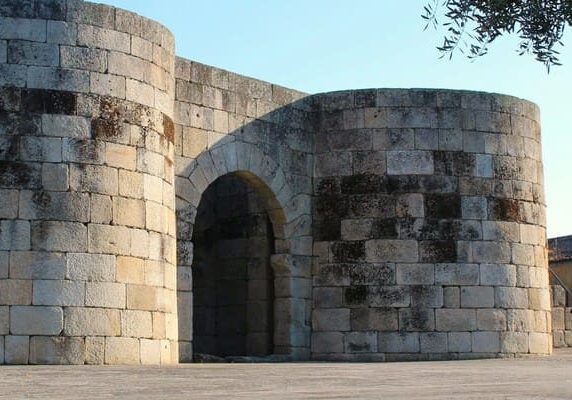 Guarda is a Portuguese city located in the heart of Portugal, in the sub-region of Beiras and Serra da Estrela. With a relatively small population of just over 42,000 inhabitants, the city retains a close-knit, community feel and is also the city in Portugal with the highest altitude, about 1056 meters.
In the Municipality of Guarda, you’ll find villages and towns that have a rich history, given the strategic location of Guarda close to the Spanish border. Founded in 1197, Guarda was granted a royal charter by Sancho I and was intended to serve as protection against Moorish invaders, hence the city’s name.
The impressive Guarda Cathedral, built between 1390 and 1540 in the Gothic style, contrasts with the granite houses, providing a unique center point of the city and rightly establishing itself as one of the greatest monuments in Portugal.
The region has stunning natural landscapes, from unique river beaches to the Serra da Estrela mountains, the highest mountain range in mainland Portugal. The local cuisine and dining in Guarda, Portugal, are key selling points for the city and municipality, and the local cheeses and chorizo are sought after across the country.
Buying vs Renting Property in Guarda
The Guarda real estate market has a lower entry point than larger cities like Lisbon and Porto. With costs below the national average, buyers and renters benefit from larger living spaces and better value for money. There are properties for every budget, from modern apartments in the city center to traditional houses in nearby historic villages.
 Buying
As of February 2026, property prices in Guarda city are €1,044 per m2 and €819 per m2 across the wider Guarda municipality.
Houses in need of renovation in nearby villages, such as Pinhel or Seia, can cost as little as €35,000 to €65,000, especially for small stone ruins. On the other end of the market, a luxury villa with stunning mountain views can reach €500,000 to €1,600,000 or over.
Modern apartments in the historic center can cost around €165,000 to €325,000, while a historic townhouse can set you back €150,000 to €390,000. A traditional rural farmhouse (quinta) has an average price of €150,000 to €875,000.
 Renting
The monthly rent in Guarda is quite reasonable. According to Numbeo, rents for one-bedroom apartments cost €250 outside the city center and €350 in the city center. Rental prices for three-bedroom apartments vary from €500 to €650 per month.
Quality of Life in Guarda
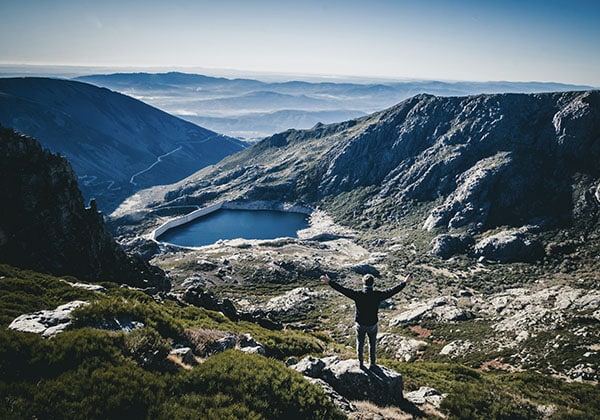 Living in Guarda as a foreigner offers a peaceful, community-oriented lifestyle shaped by strong traditions, low crime levels, and a slower pace of life. Besides, Portugal is one of the safest countries in the world, ranking 7th in the 2025 Global Peace Index.
One of the many defining aspects is its strategic location. As Portugal’s highest city, Guarda has preserved much of its historic character, from granite architecture and ancient city walls to medieval Jewish architecture and local Portuguese culture.
If you plan to retire in Guarda, the city has a general hospital, Hospital Sousa Martins, that provides quality care. You can enjoy the clean mountain air, which is especially good for anyone with respiratory issues. Although some streets can be hilly, the city center is easy to walk around.
Education in Guarda
You will find a range of public and private schools in and around Guarda, many of which are excellent. If you are looking for an international school, however, you will not find any options in this part of Portugal, since they are predominantly focused around Lisbon, Porto, and the Algarve.
Some of the best schools in Guarda include Escola Secundária da Sé, Escola Profissional da Guarda, and Escola Secundária Afonso de Albuquerque. These institutions offer quality education to students across various levels and disciplines.
Guarda also houses institutions of higher learning, such as Instituto Politécnico da Guarda and Escola Superior de Saúde.
Healthcare Services in Guarda, Portugal

There are several hospitals in Guarda, such as Casa De Saúde Bento Menni and ULS – Unidade de Saúde Local da Guarda, meaning that you can get professional assistance quickly. If you are a resident of Portugal, you will be able to access the SNS (National Health Service) for a minimal cost.
If you need private healthcare, there are various options at your disposal, although not as extensive as in large metropolises. Particularly if you are moving to Portugal from the USA, you will find private healthcare and health insurance far cheaper than in America.
Transportation in Guarda
 While there are local bus services that can get you around Guarda, it is easier to have a car to make the most of living in Guarda. Guarda has important road access, such as the A25, which connects Porto and Aveiro, as well as the Spanish border, providing direct access to Madrid, the Spanish capital.
The A23 connects Guarda to Lisbon and you can also get to north Portugal quickly, with the IP2 connecting Guarda to Trás-os-Montes and Alto Douro, namely Bragança.
Guarda is also linked by good train links and is strategically located to get around Europe, with the city a hub for storing and transporting goods. You will also find taxi and Uber services available, although not as extensively as in bigger cities.
Climate in Guarda
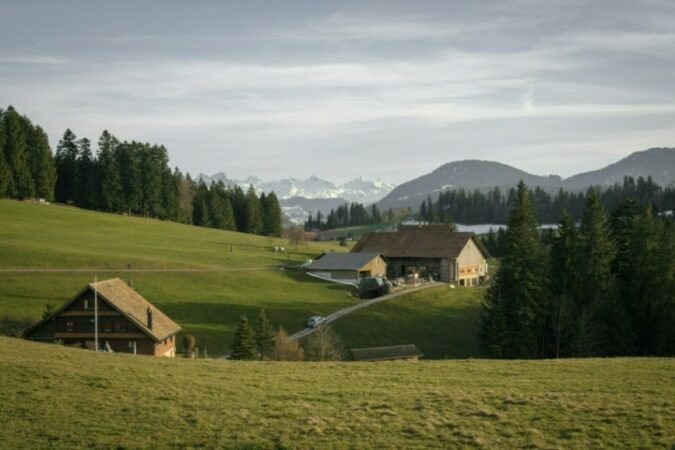 Wondering what’s the weather like in Guarda? Guarda is a high-altitude city, which means the climate is a mix between cold mountain air and plenty of sunshine (about 2,900 hours a year) near the river beaches in Portugal.
While summer temperatures are relatively comfortable, reaching around 25°C (77°F), in winter, temperatures drop to 5°C (41°F) or lower. There is usually some snow between December and February, giving the area that cozy winter feel.
Autumn and Spring are very pleasant, perfect for outdoor activities and exploring the countryside. Since winters can be chilly, we highly recommend investing in proper heating when moving to Guarda.
Cost of Living in Guarda
Living in Portugal as an expat comes at a lower cost than in the United States and Western European countries. To live comfortably in Portugal, you will typically need a budget of about €666–€800 per month as a single person and around €2,400–€2,600 for a family of four to cover living expenses, excluding rent.
Overall, the cost of living in Guarda is very affordable compared to larger cities in Portugal. On average, a person spends €200–€350 on groceries and €100–€180 on utilities per month. A meal at a casual restaurant can cost €10, while a regular cappuccino is €1.64. For public transportation, the monthly pass costs around €40 at the regular price.
Top Things to Do in Guarda, Portugal
The major selling point of Guarda and this part of Portugal is the stunning scenery and the authentic Portuguese ambiance that can be felt here. At times, it can feel like stepping back in time. In this section, we’ll delve into the key things to do in Guarda.
 Serra da Estrela
Guarda is situated a short drive away from the majestic Serra da Estrela mountain range, the highest in mainland Portugal. Residents enjoy access to glacial valleys and towering peaks for winter skiing and summer hiking trails. At the top of the mountain, you’ll find a small market-type building where you can enjoy excellent local produce and buy leather jackets at very affordable prices. Indeed, outdoor activities and hiking in Guarda, Portugal, allow you to live an active life year-round.
River beaches
Just a short drive from the city, Guarda offers many river beaches, such as Vale do Rossim and Loriga. Famous for their pristine waters and natural beauty, here you can have picnics, sunbathe, fish, and swim. Other nearby favorites are Praia Fluvial de Valhelhas and several river beaches across Beira Alta.
Local produce
When living in Portugal as an expat, you can’t fail to appreciate the Portuguese love of good food. Local produce is celebrated in Guarda, as it is throughout Portugal’s interior. Guarda’s fertile lands yield a bounty of local produce, including local cheeses (such as the incredible queijo da Serra da Estrela), cured meats, olives, and chestnuts. You will find several family-owned restaurants, known as tascas, to enjoy exceptional food typical of the region.
Health and wellness
Guarda is full of thermal resorts with facilities designed with a holistic wellness concept, combining healthcare services with spa and well-being treatments. The interior of Portugal is becoming increasingly sought after for tourists and residents looking for boutique spas and wellness retreats outside bustling cities, and you’ll find several options in and around the Guarda district. For example, you can visit Termas de Almeida (in Almeida) and Termas do Cró (in Sabugal).
Mondego Walkways
The Mondego Walkways in Guarda received the Leading Tourism Development Project at the 2024 World Travel Awards. You get to see plenty of open space, with trails passing dams, waterfalls, and old mills. Situated in the Serra da Estrela Natural Park and the Estrela UNESCO World Geopark, the walkways are a truly unique local attraction.
Iberian Studies Center
Established to boost understanding of the varied cultures of the Iberian Peninsula and delve into the study of Iberian Civilization, the Iberian Studies Center embodies a cross-border collaboration.
Museums
History enthusiasts can enjoy many museums in Guarda, from the Museum of Guarda, showcasing local art and artifacts, to the Museu do Pão (Bread Museum). The Museu do Côa is also a must-visit for history lovers.
Pros and Cons of Living in Guarda
Pros
- Lower cost of living than larger cities in Portugal, like Lisbon, Porto, and Faro
- Safe city to live in with low crime rates
- Clean mountain air and river views
- Reliable healthcare
- Tight-knit community
- Access to Serra da Estrela Natural Park
- Proximity to Madrid and Porto
Cons
- Chilly winters with potential snowfall
- Older houses may lack heating and insulation
- Further away from international airports
- Slower nightlife
- Limited public transportation
- Fewer people speak English
How Goldcrest Can Help You
Living in Guarda for foreigners is definitely exciting, especially if you enjoy the beautiful mountain landscape and riverside views. But if you plan to buy property in Portugal, the acquisition process can take time if you don’t know how to manage the paperwork or research the property market.
With the help of a buyer’s agent like Goldcrest, you can find off-market properties, negotiate prices, and keep up with the market trends.
As the first buyer’s agent in Portugal, Goldcrest offers:
- Property search services
- Property management for long-term rentals
- Price negotiation
- Logistics and inspections
- Expert market advice
Contact us today, so we can assess the property values and find you the perfect dream home.
Interested in investing in inland areas and diversifying your portfolio? Check our Portugal’s property investment map.
Frequently Asked Questions about Living in Guarda
Where do most expats live in Guarda?
The expat community in Guarda is very small, but keeps growing. Most expats live in the central part of the city and near several river beaches, such as Praia Fluvial de Valhelhas and Praia Fluvial de Aldeia Viçosa. Many foreign residents are American, British, German, and Dutch.
What are the best neighborhoods to live in Guarda?
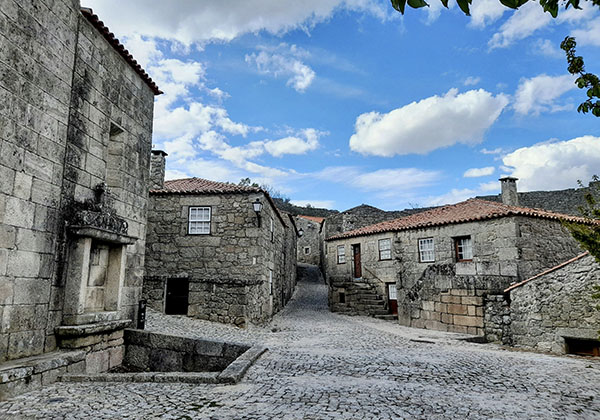
The best neighborhoods to live in Guarda include the historic city center, where you’ll find charming cobblestone streets, picturesque Portuguese architecture, and historic buildings, as well as areas like São Vicente. The charming villages of Castelo Mendo and Almeida nearby are also good options if you want to enjoy living in the heart of nature.
What is the public transportation system like in Guarda?
Public transportation options in Guarda Portugal rely on local buses to get around, but you will also find taxis and Uber to help you get around. We recommend having a car if you choose to relocate here as it will make getting around much easier.
What recreational activities are available in Guarda?
Expat life in Guarda, Portugal, is focused on outdoor and recreational activities, such as hiking in the Serra da Estrela Natural Park, visiting historical sites like the Guarda Cathedral, and enjoying cultural events and festivals. There are also several riverbanks where you can swim.
What is the healthcare system like in Guarda?
Guarda’s healthcare system is efficient and accessible, with public hospitals and clinics providing quality care to residents. Private healthcare options are also available and are very cheap when compared with private healthcare in the USA or other Western European countries.
Are there job opportunities in Guarda?
Guarda offers job opportunities in various sectors, including tourism, education, healthcare, and technology, with a stable economy and a good business environment. However, it is best to learn basic Portuguese because there are few international companies. If you are a remote worker looking to relocate to Portugal, you could qualify for the Digital Nomad Visa.
What is the culture and lifestyle in Guarda like?
There are many cultural activities in Guarda, Portugal, throughout the year. The city and municipality have a rich history and vibrant community, where you’ll find festivals like Festas da Cidade bring the locals together. Its lifestyle embraces nature with stunning landscapes for hiking in Serra da Estrela and countless beautiful river beaches. The gastronomy of Guarda is also excellent, focusing on local produce, with local cheeses and cured meats particularly sought after.
How can I move to Guarda?
Portugal offers many options for Portuguese residency, some of which are the Golden Visa (for investors), the D8 Digital Nomad Visa (for remote workers), the D2 Visa (for entrepreneurs), and the D7 Visa (for retirees and expats with passive income). As an EU/EEA/Swiss citizen, you can move to Guarda permanently by applying for an EU residence certificate.

